By kind and generous permission of the carer.
Vets have given a 'Navicular' diagnosis. Horse on presentation has very thin soles, fronts are running forward, heels are collapsed, bulbs pointy rather than full, toe wall has been rasped out in places, frog is squishy (but not rotten, just unused), digital cushion is undeveloped (on palpation) and there is some red in the white line.
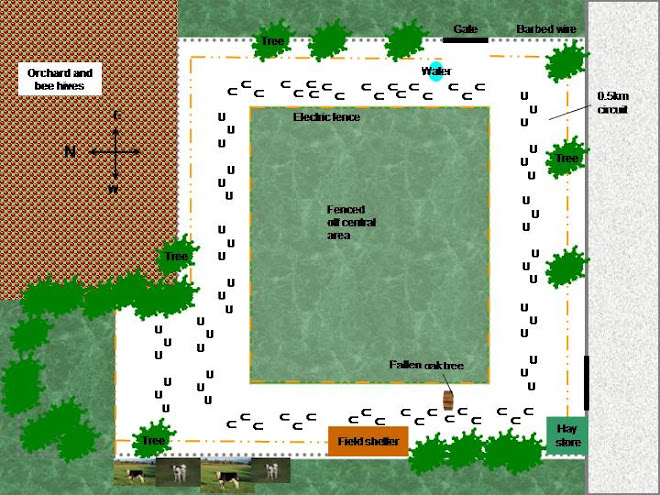
Subsequent trial and error shows the horse is sensitive to grass, probably oats and haylage. Does better on night time turnout with soaked hay in the day. Horse is on/off footy depending on circumstances but is generally improving. Progress would probably be faster if 24/7 turnout on a grass free track could be provided. But this carer has chosen to learn how to manage a tricky case, at livery, because long term they want to know how to provide for this horse. Even so, and even with some set backs they are making progress.
In the photo array the first picture (top left) was taken 30/05/11, the last (bottom right) 11/08/11. Can you see the differences?
Shoes mask weaknesses, barefoot highlights strengths
Showing posts with label LGL. Show all posts
Friday, 19 August 2011
Sunday, 24 October 2010
And the good news is
We have another horse come sound.
As alway no names no finger pointing, just the facts as related to me, so we can all learn and hopefully more horses can lead healthy, productive iron free lives.
So scenario is:
Young, unbroken, furry
Acute lameness, one fore with heat
Diagnosis unclear, but vet and other equine professional advice was to shoe
Carer sought third opinion from an AANHCP member, who (to cut long story short) advised a diet change.
I was called for a visual consult.
This horse was not horribly trimmed, in fact it was by far one of the better 'pasture' trims I have seen. The heels were not staggeringly high and had a reasonable balance. But the horse at this point was still lame.
The carer and I talked things through and the carer requested a trim.
One of the things you will notice in the 'before' solar and heel shots is the stretch in the white line. Not the worst but not 'tight' either. Once the crud was removed there was evidence of blood in the white line of the sore foot. So the previous advice to amend the diet was right on the nail (no pun intended).
The trim was completed in accordance with the AANHCP guidelines and future diet and exercise were discussed.
Both I and the owner were delighted when the horse came sound. And from the feedback I have received he is continuing to be sound over a variety of quite challenging surfaces including the dreaded limestone chippings.
It's the apparently small things that make all the difference - tweak the diet, get a proper roll, keep the heels where they should be. And none of these cost a fortune.
As alway no names no finger pointing, just the facts as related to me, so we can all learn and hopefully more horses can lead healthy, productive iron free lives.
So scenario is:
Young, unbroken, furry
Acute lameness, one fore with heat
Diagnosis unclear, but vet and other equine professional advice was to shoe
Carer sought third opinion from an AANHCP member, who (to cut long story short) advised a diet change.
I was called for a visual consult.
| Solar before |
| Heel before |
| Solar after |
This horse was not horribly trimmed, in fact it was by far one of the better 'pasture' trims I have seen. The heels were not staggeringly high and had a reasonable balance. But the horse at this point was still lame.
The carer and I talked things through and the carer requested a trim.
One of the things you will notice in the 'before' solar and heel shots is the stretch in the white line. Not the worst but not 'tight' either. Once the crud was removed there was evidence of blood in the white line of the sore foot. So the previous advice to amend the diet was right on the nail (no pun intended).
The trim was completed in accordance with the AANHCP guidelines and future diet and exercise were discussed.
Both I and the owner were delighted when the horse came sound. And from the feedback I have received he is continuing to be sound over a variety of quite challenging surfaces including the dreaded limestone chippings.
It's the apparently small things that make all the difference - tweak the diet, get a proper roll, keep the heels where they should be. And none of these cost a fortune.
Labels:
barefoot trimming,
high heels,
LGL,
youngsters
Subscribe to:
Posts (Atom)