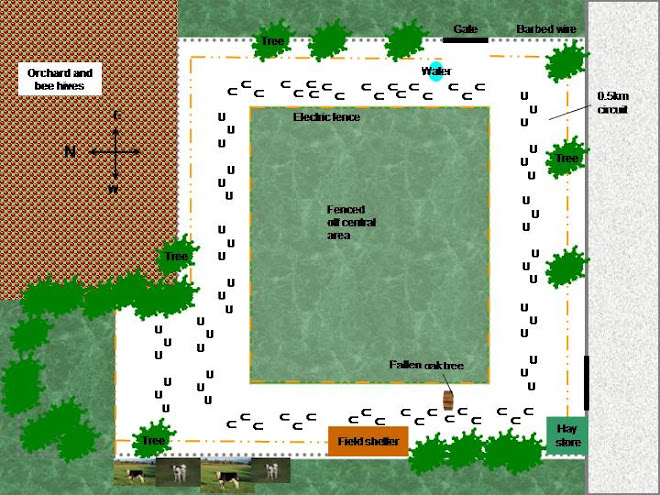
This foot is a mess and has obviously been treated traditionally, with shoes and a resection. It has: -
- contracted heels with very weak heel buttress
- no depth of collateral groove
- weak frog, probably thrushy
- very weak hoof wall
- thin sole with significant bruising
- resected toe (WLD/lami?)
- infected nail holes which appear to penetrate white line
If this hoof were still alive with the barefoot approach we would need to:
- improve the diet
- get rid of the thrush
- decontract the heel
- strengthen heel buttress
- grow a thicker sole
- grow out the infected nail holes and resected area
- stimulate the hoof within the horse's comfort zone (provide choice of comformable surfaces and opportunity to exercise)
The heel probably won't decontract successfully until the thrush is dealt with. Just that simple measure would bring the horse a lot of physical relief.
When he can weight his heel, the horse can start to use his feet properly. As the hooves decontract and start to be used the way nature intended the circulation will improve and with an appropriate diet the hooves should start to grow more quickly and in better form.
The horse can remain barefoot and be very comfortable if given access to a comformable surface. In the UK we use pea gravel a lot. I like to give horses a choice - pea gravel, sand, rubber mats. But not just a shavings bed.
The horse has to be give a chance to stimulate the foot, wobble it around in a surface that will mould but be relatively stable, and to achieve some self trimming.
He also needs a horse friend - not the youngster who wants to box and play, but someone he can socialise with, but who will respect the fact that he might not be up to a lot of fisticuffs immediately.
Relatively quickly - often within just a few days of changing the diet the horse can start to exercise - with the protection of boots with comfort pads if necessary.
Exercise is important - it stimulates the horse in hoof and mind - but their comfort must be maintained. Do not allow your horse to be forced to move when it hurts.
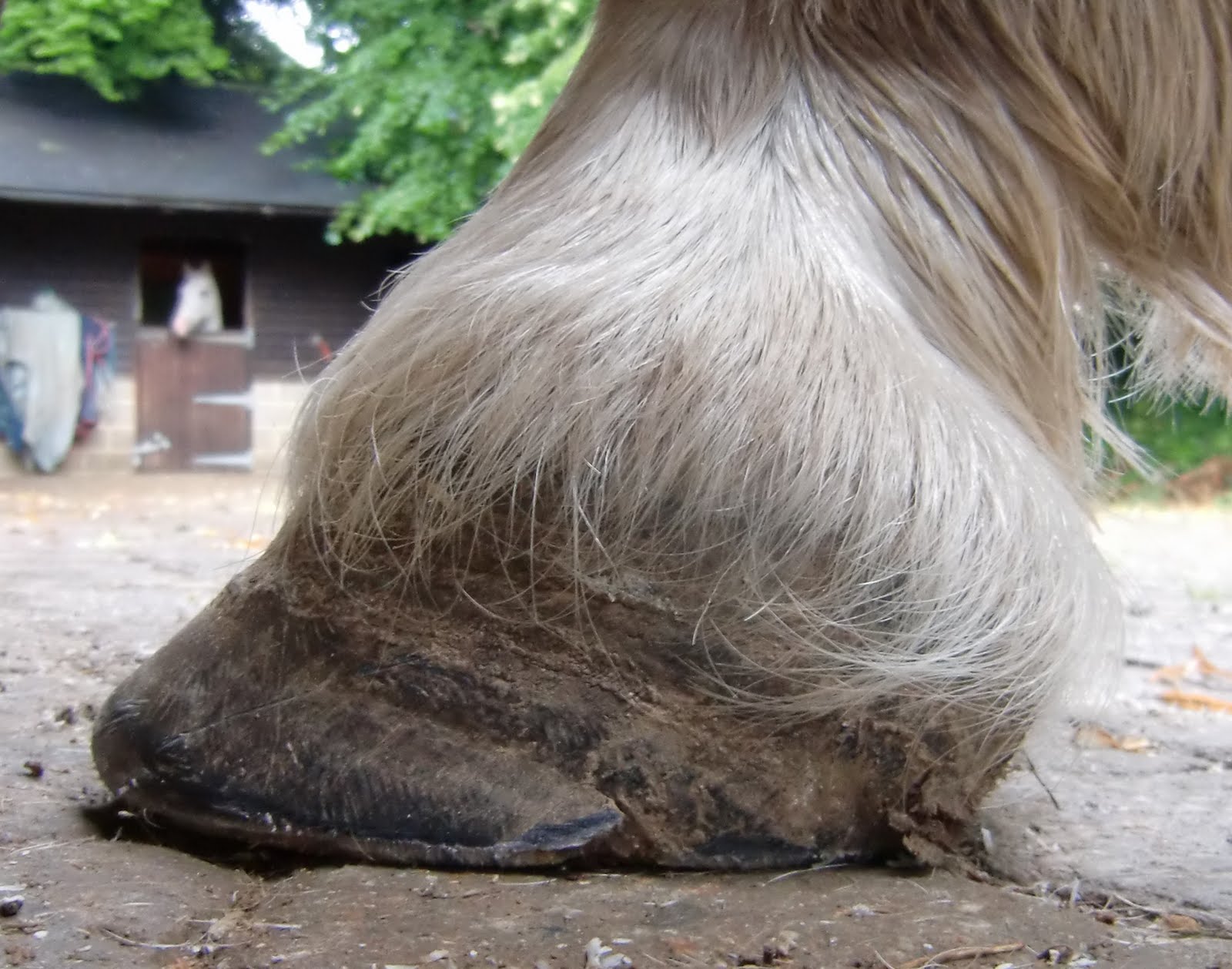
Below is a picture of a laminitic foot which is maintained successfully using the barefoot approach.

This horse is on a a strict diet and careful management programme. Thanks to this approach it not only lives; it thrives and is working and happy and is a complete credit to its owner. The trimming, although important, comes way down the list.
So before you put down your laminitic horse, consider the barefoot approach. But don't leave it too late.


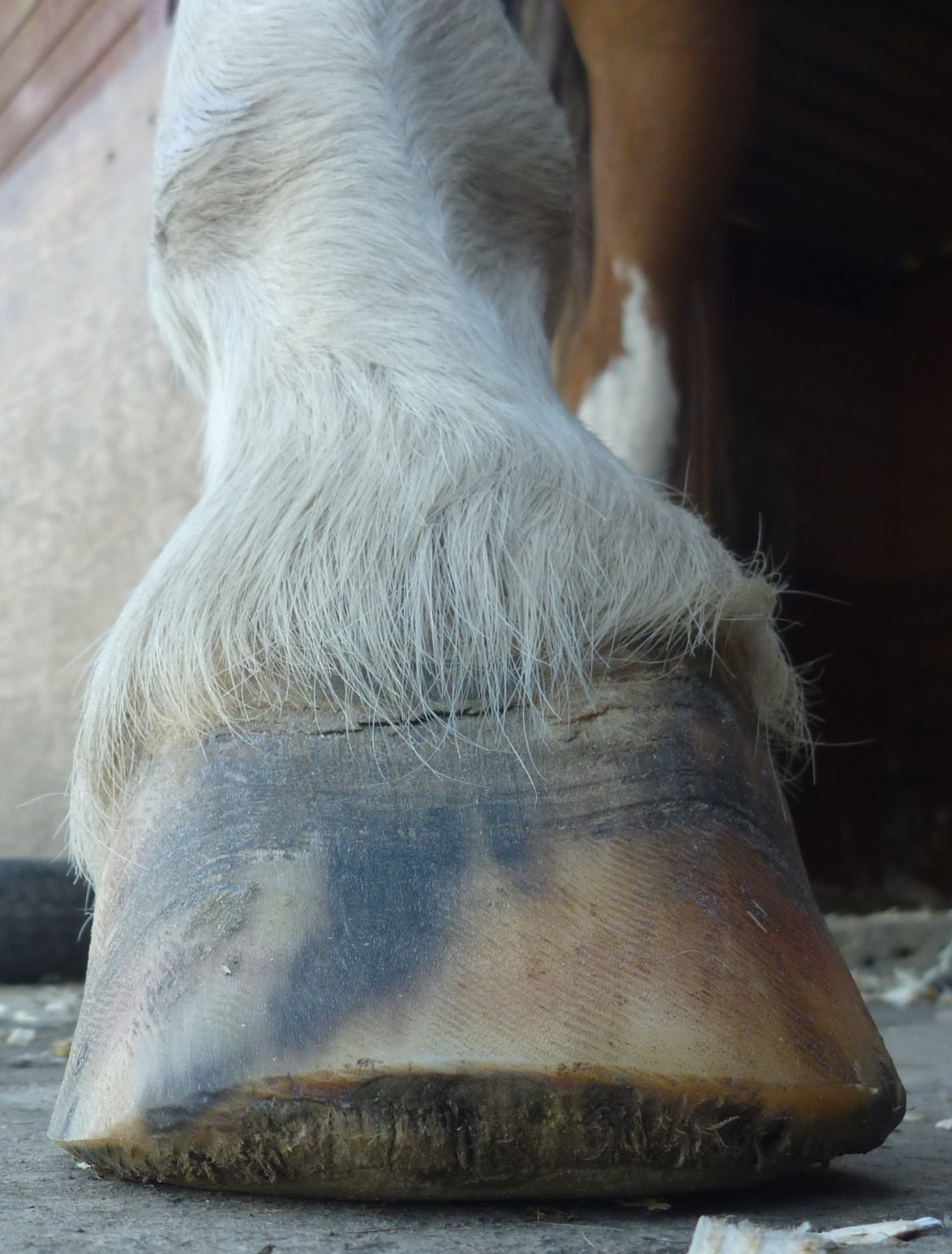


 Now he is daily towing his Mum on hoof building walks out and about, every day for 20-30 minutes plus. He could easily do more.



 Posts
Posts